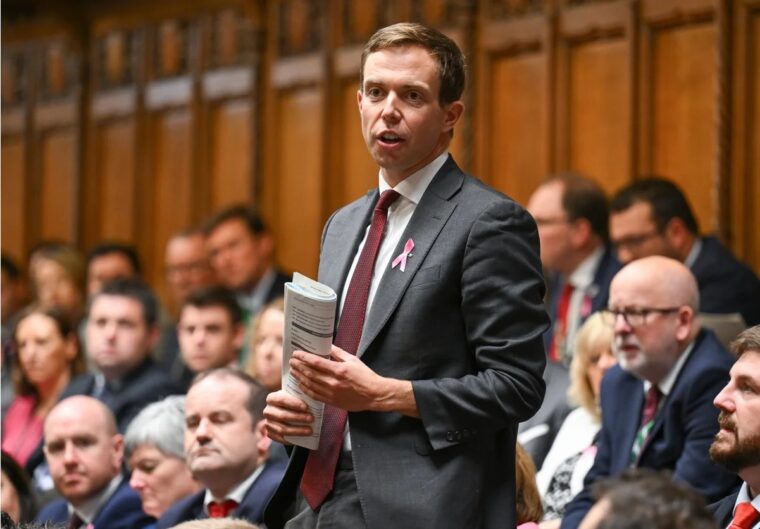
Under the Westminster parliamentary system, the role of the backbench MP is often underappreciated by the public. Lacking the limelight of ministers or shadow cabinet members, backbenchers form the vast majority of the House of Commons and play a crucial role in shaping legislation, scrutinising government, and advocating for causes close to their hearts or their constituencies. But what makes a good backbench MP?
A successful backbench MP is defined not by titles held, but by the quality and impact of their parliamentary and constituency work. They are issue-led, often championing causes over many years. They develop specialist expertise in key policy areas, build long-term media relationships to highlight those causes, and consistently contribute to debates in the House with substance, clarity, and conviction. A hallmark of their success is their ability to introduce meaningful Private Members’ Bills (PMBs), even when faced with slim odds of success. By raising neglected issues and building cross-party support, they keep topics on the political agenda that otherwise might be overlooked. Their speeches are thoughtful, well-argued, and delivered with the intent to persuade rather than simply perform. They remain consistently ahead of the curve on policy development, and many become go-to voices for journalists, think tanks, and advocacy groups. Constituency work also plays a vital role. The best backbenchers are visible in their local area, championing local causes with national resonance—combining casework empathy with the strategic nous to raise issues in Parliament.
Some, like the late Sir David Amess, represent the very best of backbench effectiveness. A tireless campaigner, he used every tool at his disposal—from PMQs to adjournment debates, from Early Day Motions to charity events—to draw attention to animal welfare, endometriosis awareness, and child safety. He rarely missed an opportunity to raise constituency issues and succeeded in passing several PMBs, often working with unlikely allies across the chamber. His skill lay in knowing that persistence, humour, and clarity can move mountains—especially when ministers hope awkward questions will go away.
The Hallmarks of an Effective Backbench MP
While they may not hold ministerial positions or serve as opposition spokespeople, their contributions are instrumental in shaping legislation, scrutinising the government, and representing constituents. An effective backbencher embodies several key qualities that enhance their influence and effectiveness.
- Expertise in Policy
Developing a deep understanding of specific policy areas allows backbenchers to contribute meaningfully to legislative debates and committee work. This expertise enables them to scrutinise proposed legislation effectively and advocate for informed policy changes. Serving on select committees, which oversee government departments, provides a platform to influence policy and hold the government accountable. For instance, Sir David Amess’s extensive work on the Health Select Committee from 1998 to 2007 exemplifies how policy expertise can be leveraged to drive significant inquiries and reports, such as the 2004 investigation into obesity in the UK.
- Effective Campaigning
Successful backbenchers are often relentless campaigners for causes they are passionate about. They utilise various parliamentary tools, including sponsoring bills, participating in debates, and collaborating with interest groups, to advocate for change. Sir David Amess’s dedication to animal welfare is a prime example; he led campaigns to ban cages for game birds and end the transport of live animals for export, demonstrating how sustained efforts can lead to policy advancements.
- Media Engagement
In today’s media-driven landscape, the ability to attract public and media attention to important issues is invaluable. Backbenchers who effectively engage with the media can amplify their messages, garner public support, and apply pressure on the government to act. Building a public profile through media appearances, opinion pieces, and active social media presence can significantly enhance an MP’s influence.
- Legislative Initiatives
Introducing Private Members’ Bills is a direct method for backbenchers to propose new laws or amendments. Although the success rate of these bills becoming law is relatively low, they serve to highlight issues and can lead to government action. Sir David Amess’s sponsorship of the Protection Against Cruel Tethering Act 1988 and the Warm Homes and Energy Conservation Act 2000 showcases how backbenchers can initiate legislation that addresses specific concerns.
- Parliamentary Contributions
Active participation in parliamentary debates and delivering compelling speeches are crucial for effective representation. Articulate and persuasive contributions can sway opinion, draw attention to issues, and influence policy decisions. Regular engagement in debates also demonstrates commitment to constituents and the legislative process.
Top 10 Backbench MPs (All-Time Greats)
Based on a combination of campaign success, media impact, policy specialism, and legislative achievement:
- Sir David Amess – Tireless campaigner, master of the chamber, and sponsor of multiple Private Members’ Bills. A textbook example of how to make backbench life count.
- Harriet Harman – As “Mother of the House,” she championed gender equality, legal reform, and held governments to account with fierce independence.
- Diane Abbott – The first Black woman elected to Parliament, Abbott combined advocacy with decades of work on civil rights, policing, and public health.
- Frank Field – A deeply respected independent thinker on welfare and poverty. Known for quiet but effective influence, and cross-party cooperation.
- Caroline Lucas – The Green Party’s sole MP for years, Lucas brought climate and environmental concerns into the mainstream parliamentary debate.
- Jo Cox – Though tragically murdered early in her career, Cox’s impact through humanitarian advocacy, international justice, and cross-party cooperation endures.
- Julian Lewis – Expert in defence and intelligence issues; well-respected for his chairing of the Intelligence and Security Committee.
- Peter Bottomley – Long-standing advocate for child protection and road safety, and one of the most consistent presences in the chamber.
- Chris Mullin – Known for his work on the Birmingham Six and long-standing legal injustice campaigns; influential beyond his ministerial stints.
- Sarah Champion – Vocal advocate for child protection and survivors of exploitation, using her backbench role to push legislative reform.
Top 10 Backbench MPs – July 2024 Intake
The July 2024 general election saw a wave of new MPs bringing energy, fresh perspectives, and specialist knowledge. The following individuals have already begun to demonstrate the qualities of excellent backbenchers:
- Sam Carling (Labour, North West Cambridgeshire) – At just 22, Carling is one of Parliament’s youngest members. His sharp focus on education, youth engagement, and social mobility has brought him early recognition.
- Josh Dean (Labour, Hertford and Stortford) – A bold win in a former Conservative seat, Dean has quickly become known for his environmental advocacy and strategic media use.
- Euan Stainbank (Labour, Falkirk) – Scotland’s youngest MP at 24, Stainbank has established himself as a voice for young Scots, pushing for reform on housing and mental health.
- Shivani Raja (Conservative, Leicester East) – One of the few Tory gains in 2024, Raja brings a background in science and business, pushing policies on innovation and entrepreneurship.
- Melanie Onn (Labour, Great Grimsby and Cleethorpes) – Returning to Parliament after a break, Onn is refocusing national attention on coastal economies and flood defences.
- Alex Ballinger (Labour, Halesowen) – A former Royal Marine and humanitarian worker, Ballinger has used PMQs and debates to highlight veteran services and mental health provision.
- Matt Bishop (Labour, Forest of Dean) – Known for his calm authority in justice and anti-terror debates, Bishop has already gained respect on cross-party select committees.
- Alison Griffiths (Conservative, Bognor Regis and Littlehampton) – With deep knowledge of digital security, Griffiths has emerged as a powerful voice in technology and online safety policy.
- Catherine Atkinson (Labour, Derby North) – As a barrister, Atkinson has brought forensic precision to debates on justice reform and is a rising figure in parliamentary committees.
- Rosie Wrighting (Labour, Kettering) – At just 26, she’s become a passionate advocate for young people and community cohesion, and is gaining traction as a media-savvy communicator.
These rising and veteran figures alike show that real parliamentary influence comes not from titles or proximity to power, but from perseverance, integrity, and the ability to drive issues forward through skilled advocacy. Whether through Private Members’ Bills, committee work, or simple but strategic chamber interventions, the best backbenchers never waste their voice—and Parliament is stronger for it.