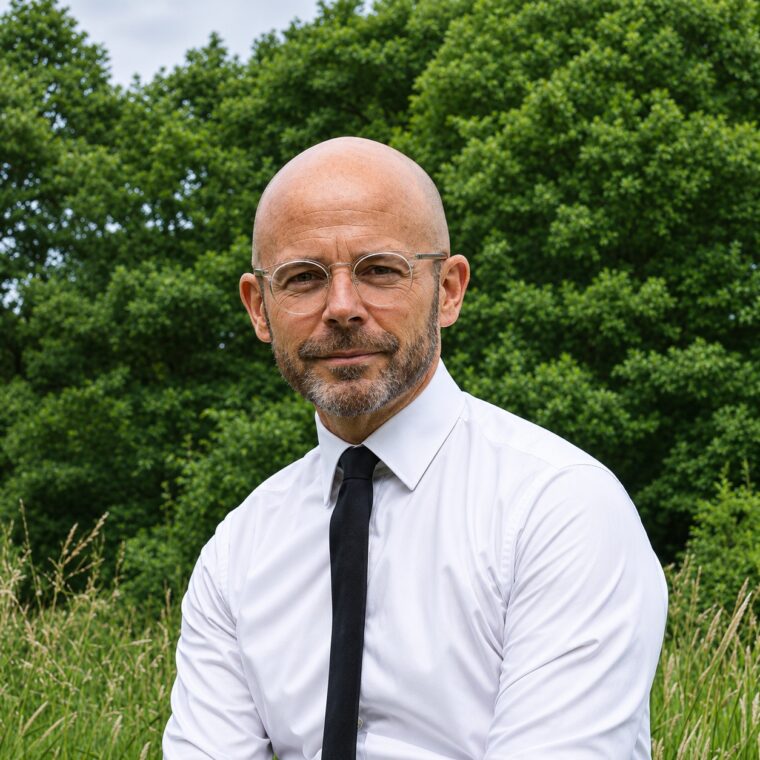
From Scotland’s youngest councillor to the corridors of Westminster, Martin Docherty-Hughes has spent more than three decades navigating British politics. Along the way, he has experienced political influence from both sides of the table.
There are two sides to every lobbying meeting. Martin Docherty-Hughes has occupied both seats.
Long before entering Parliament, he worked in public affairs, policy research and community advocacy. His job involved persuading politicians to listen, building alliances and helping organisations influence government decisions.
Then, in 2015, everything changed.
Voters in West Dunbartonshire elected him to the House of Commons. Suddenly, he found himself on the receiving end of the very approaches he had once made.
Today, that unusual journey gives him a distinctive perspective on political leadership.
Scotland’s youngest councillor
Martin’s political career began remarkably early.
In 1992, aged just 21, he became Scotland’s youngest councillor. He represented a ward in Clydebank, the town where he grew up.
From the outset, local government exposed him to the realities of political responsibility. Public spending, community expectations and competing priorities all demanded attention.
Moreover, he quickly discovered that developing good policy was only part of the challenge. Securing political support, building relationships and delivering results required a different set of skills.
Those early experiences helped shape his understanding of leadership and public accountability.
Learning the art of political influence
After his early years in local government, Martin developed a substantial career in Scotland’s voluntary sector.
For nearly 12 years, he led policy and research at West Dunbartonshire Community and Volunteering Services. Subsequently, he joined Volunteer Scotland as a policy adviser.
Both roles placed him at the intersection of government, public policy and community interests.
His responsibilities included analysing government proposals, responding to consultations and developing relationships with decision-makers.
However, the work involved more than understanding legislation. Organisations needed to translate their concerns into persuasive arguments that politicians could act upon.
As a result, Martin gained extensive experience of the practical challenges facing public affairs professionals.
Meanwhile, his return to elected local government in 2012, as a Glasgow City Councillor, added another dimension to his political experience.
He now understood political influence from both the perspective of an advocate and that of an elected representative.
From public affairs to Westminster
In 2015, Martin entered the House of Commons as the SNP Member of Parliament for West Dunbartonshire.
Over the following nine years, his responsibilities extended well beyond constituency representation.
He served as SNP Chief Whip, Defence Spokesperson and a member of the House of Commons Defence Committee.
In addition, he chaired the All-Party Parliamentary Group on Estonia, contributing to international parliamentary engagement.
These positions brought him into national security, defence policy and international relations.
More importantly for his subsequent public affairs work, they provided direct experience of political leadership and parliamentary decision-making.
As Chief Whip, he encountered the demands of party coordination and political negotiation. His defence responsibilities, meanwhile, involved examining complex policy questions within a highly scrutinised environment.
Consequently, Martin developed an understanding of the pressures politicians face when balancing competing interests.
He also saw what happens after a public affairs professional successfully secures a meeting with a parliamentarian.
After all, gaining political access and achieving political change are not necessarily the same thing.
Westminster and Holyrood: Understanding two political systems
Martin’s experience reaches beyond the House of Commons.
Before entering Westminster, he had already worked extensively within Scotland’s political and policy environment. His subsequent consultancy has further developed that experience.
As a result, he understands the different responsibilities, political cultures and decision-making processes of Westminster and Holyrood.
These distinctions matter enormously to organisations operating across the UK.
For example, an approach that succeeds with a Westminster department may require considerable adjustment when engaging Scotland’s devolved institutions.
Similarly, stakeholder relationships, legislative responsibilities and political priorities can differ between the two systems.
Effective public affairs therefore demands more than an understanding of parliamentary procedure. It requires an appreciation of political context, timing and institutional relationships.
Martin’s experience across local government, Scottish public policy and Westminster offers a practical perspective on those challenges.
Returning to public affairs
After leaving Parliament in 2024, Martin returned to professional public affairs consultancy.
Through MDH Consultancy, he now advises organisations on government relations, legislative developments and stakeholder engagement.
His work includes preparing organisations for parliamentary committee scrutiny and developing political engagement strategies.
In particular, he helps clients navigate the relationship between Westminster and Holyrood.
His consultancy experience spans charities, membership bodies, regulated sectors and organisations seeking to strengthen their political influence.
In many ways, his career has come full circle.
The young councillor became a policy advocate. Later, the advocate became a parliamentarian. Now, the former MP advises organisations on how political influence works.
Yet his professional perspective has changed considerably along the way.
Having experienced both sides of the political relationship, he understands the expectations of those seeking influence and the pressures facing those making decisions.
Bringing political experience into the classroom
Today, Martin brings this combination of experience to Parli-training’s Public Affairs Leadership course.
Unlike a purely academic approach to political influence, his teaching draws on experience across several different professional environments.
He understands how organisations develop political relationships, why some approaches succeed and how decision-makers assess competing demands.
Furthermore, his parliamentary experience provides insight into political judgement, negotiation and the responsibilities of leadership.
For senior public affairs professionals, these perspectives offer valuable opportunities to examine their own approach to influence.
Importantly, Martin’s experience also demonstrates why effective leadership depends on understanding the pressures facing the people an organisation hopes to persuade.
Ultimately, successful public affairs requires credibility, sound judgement and an appreciation of how political institutions operate.
There is a difference between understanding how Westminster and Holyrood are supposed to work and knowing how they actually work.
Martin Docherty-Hughes has spent much of his professional life discovering that difference — from both sides of the political table.
Bringing Political Experience to Public Affairs Leadership
Martin Docherty-Hughes will lead Day One of Parli-training’s Public Affairs Leadership programme, taking place in Westminster on 17–18 December 2026. Drawing on his experience as both a senior public affairs practitioner and a former Member of Parliament, he will explore the realities of political influence, strategic judgement and engagement with government. In particular, he will examine the difficult decisions senior public affairs professionals face when Ministers remain inaccessible, officials resist proposals or political circumstances change unexpectedly. His experience across Westminster, Scottish politics and professional consultancy provides a valuable foundation for examining how to identify alternative routes to influence, navigate political uncertainty and advise organisational leaders with confidence. The emphasis will be on practical leadership: knowing when to change strategy, how to build political credibility and what to do when Plan A fails.